About Dr Arun R Warrier
MBBS, MD (General Medicine), DM (Medical Oncology), MRCP (UK), FRCP
Senior Consultant, Medical Oncology, Aster Medcity, Kochi
Guiding Cancer Care with Expertise and Compassion
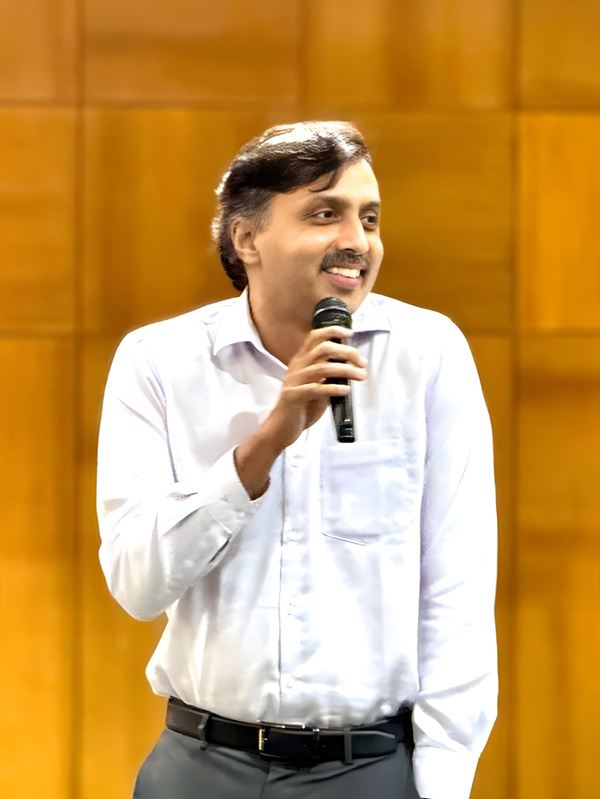
Dr. Arun R. Warrier is a senior consultant in medical oncology at Aster Medcity, Kochi. With more than a decade of experience, he has guided countless people through the difficult journey of cancer. His expertise covers cancers of the breast, lung, colon, stomach, pancreas, and lymphatic system, with a strong focus on gastrointestinal malignancies.
What defines his work is not just the range of cancers he treats, but the way he treats them. Medical oncology is the field of medicine that uses advanced drug-based therapies such as chemotherapy, targeted therapy, immunotherapy, and hormonal therapy. Dr. Arun combines these treatments with a collaborative approach, working closely with surgeons, radiation oncologists, and pathologists. His patients receive a complete care pathway that covers treatment, side-effect management, follow-up care, and palliative support when needed.
His training began at the Adyar Cancer Institute, where he earned recognition as a gold medallist. An international fellowship in the UK further shaped his practice, bringing him exposure to global standards and research-driven oncology. Today, he applies this global knowledge at Aster Medcity, blending scientific precision with a compassionate, human-centred approach.
Dr. Arun is also a lifetime member of the Indian Society of Medical and Paediatric Oncology and an active member of the European Society of Medical Oncology. These affiliations reflect his commitment to staying ahead of medical advances and ensuring that his patients benefit from the latest global developments in cancer care.
Training and Career Journey
Academic Foundations
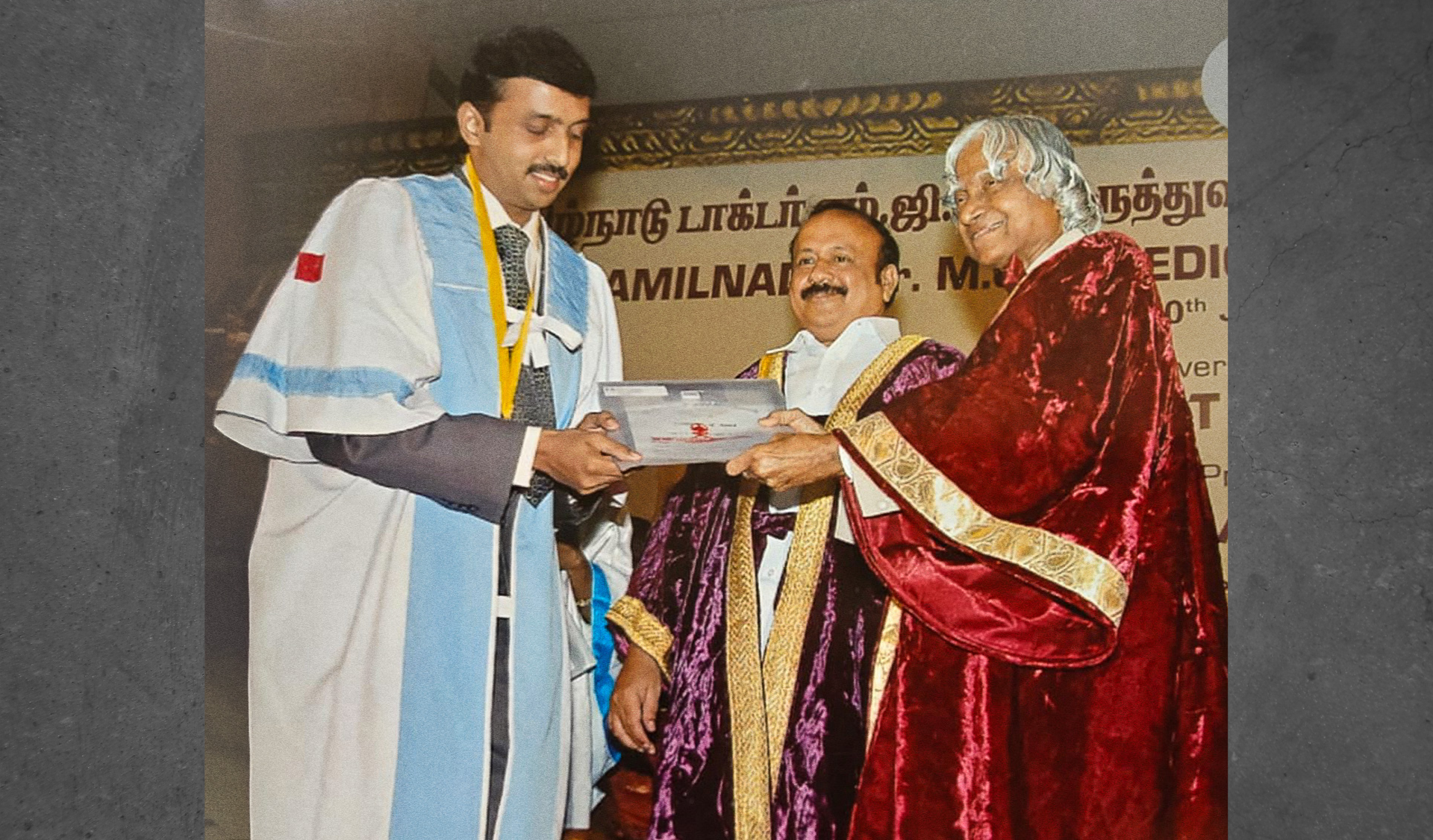
Dr. Arun completed his MBBS from Government Medical College, Thrissur, and pursued his MD in Internal Medicine from Government Medical College, Calicut. He trained in Medical Oncology at the prestigious Adyar Cancer Institute, Chennai, where the intense clinical work and discipline shaped his foundation in oncology. His efforts culminated in being awarded the University Gold Medal for Medical Oncology by Dr. A.P.J. Abdul Kalam, one of his proudest academic moments.
Global Exposure
He further honed his skills in the United Kingdom through the Medical Training Initiative of the Royal College. The fellowship offered him insight into personalised patient care, the importance of quality over quantity in clinical practice, and the value of dedicated time for audits, research, and quality improvement. These experiences continue to inform his practice in India, blending global standards with the realities of a busy clinical environment.
Career Journey
Currently, Dr. Arun serves as Senior Consultant in Medical Oncology at Aster Medcity, Kochi. His role combines patient care, multidisciplinary collaboration, academic contributions, and guiding treatment approaches for a wide spectrum of adult cancers.
Memberships and Roles
- Member of the Indian Collaborative Oncology Network (ICON), American Society of Clinical Oncology (ASCO), and the European Society of Medical Oncology (ESMO)
- Active clinical trial investigator in studies approved by the Drug Controller General of India (DCGI) and institutional ethics committees
- Secretary of the Cochin Oncology Group, contributing to advancing cancer care discussions and collaborations in the region.
Personal Approach and Philosophy
Why Oncology
“During internal medicine training in early 2000, Oncology was undergoing a radical change with more knowledge about targeted therapies and genomic medicine. These had shifted the focus from chemotherapy to a new approach to cancer medicines. As a physician, my competency was in the medical management of patients, and the opportunities in Medical Oncology were exciting. I also felt that the holistic cancer treatment with a multidisciplinary, protocol-based approach would suit my style of patient care. “
Patient-Centered Care
“When a patient sits in front of you for the first time with a life-changing diagnosis, understanding him, his family, and the broader implications of disease and treatment are paramount. Some are pertinent about knowing the stage, guidelines, and nuances of treatment. Some do not bother much about the disease/ treatment, but want to get cured. Again, a cancerous lump in an individual behaves differently from others, just like humans! Spending time to understand the patient and deciphering the nature of the tumour through continuous effort is the most important aspect of patient care for me.”
Realistic Expectations
“In Oncology, patients meet us with dread of the disease and, more so, its treatment. It may be just a small tumour with more than 90 % chance of success, but they feel completely lost. On the other hand, there may be patients with incurable cancers who have a false sense of cure. So I wish every patient would be able to understand the disease and have a realistic expectation about the outcome from the beginning. Yes, this may need multiple interactions tuned to their level of understanding, breaking the good news with positivity, and a graded way to share the bad news.”
Guiding Through Tough Decisions
“Tough decisions come in both curative and palliative cancers. In a curative setting, they have to understand that losing hair, vomiting, and tiredness are tradeable against the much larger chances of a complete cure. In palliative cases, they undergo the rigors of treatment to decrease symptoms and prolong life, so we must ensure that these goals are met. For some, the treatment may become ineffective, and we must help them to confront their fears and transition them to palliative care. Again, these are possible only through patient listening and multiple discussions.”
Lessons from Patients
“Over the years, his patients have taught him invaluable lessons. Each patient is different. But all of them need someone to listen to them patiently, talk to them in a transparent manner, clarify their doubts, and advise them about the disease, treatment plans, and outcomes. Sympathising is rarely acceptable. A positive demeanour is needed, but joking/ laughing are reserved for special occasions. They are not a disease waiting to be treated, but a human being who needs care. When they are in front of you, they deserve undivided attention.”